Projects
I work at the intersection of AI, robotics, and computer vision, developing practical solutions across funded projects, consultancies, course projects, and applied research, with a strong focus on efficient inference pipelines and scalable ML processing stacks that bridge innovative algorithms with deployable, real-world systems.
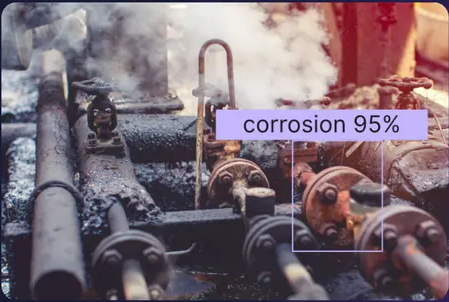
Project Deliverables Computer Vision Analytics for Corrosion Detection and Thermography.
- Developing deep learning–based vision pipelines for automated corrosion detection and thermal anomaly analysis in industrial inspections.
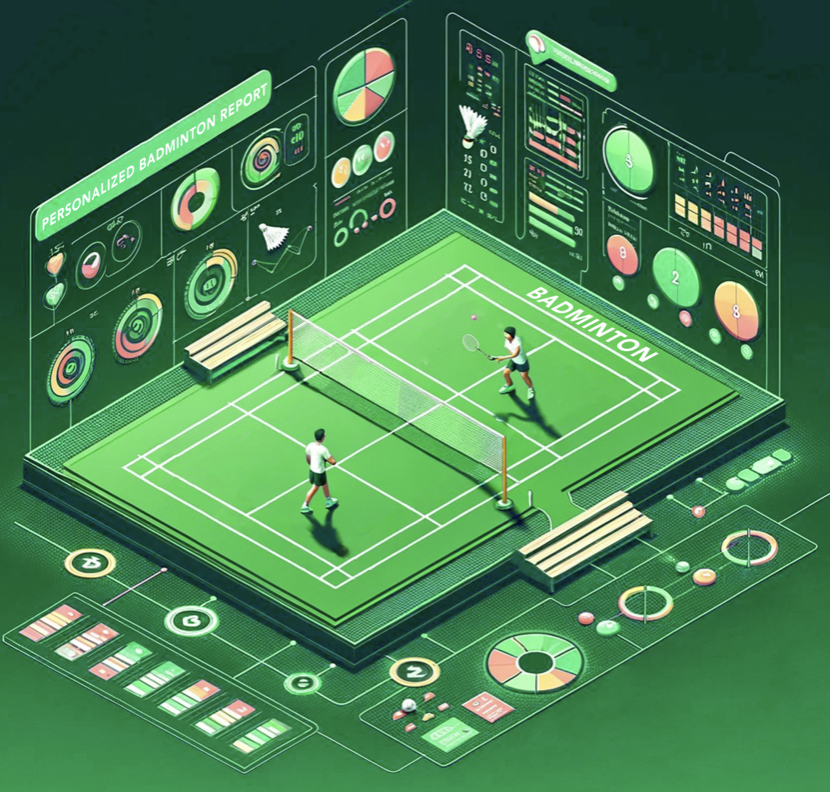
Consultancy Computer Vision Analytics for Sports Video Understanding
- Developing deep learning–based computer vision pipelines for sports analytics in fast-paced and dynamic environments.
- Implemented racquet detection, shuttle tracking, hit detection, and player tracking.
- Designed optimized inference pipelines for large-scale video data.
- Improved end-to-end inference efficiency while maintaining detection and tracking accuracy.
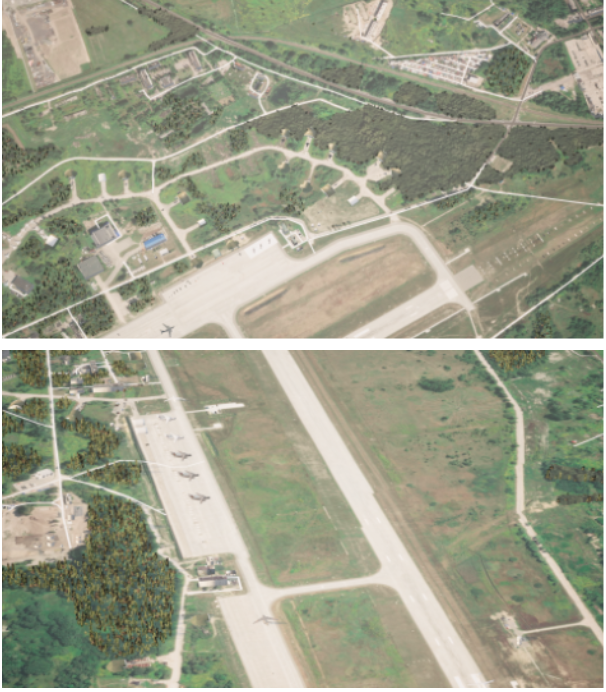
Project Deliverables Sim-to-Real Generalization for Deep Learning Models for Aerial Imagery.
- Led the AI perception component of a 3-year collaborative project (2022–2025), evaluating state-of-the-art deep learning models for aerial imagery analysis.
- Assessed SOTA models for object detection, semantic segmentation, change detection, and continual learning under realistic Sim-to-Real conditions.
- Evaluated advanced object detection models analyzing robustness across varying slant angles and weather conditions.
- Generated fused RGB–IR and RGB–SAR visualizations using deep learning models.
- Benchmarked proposed DeepMAO for segmentation task for autonomous and land classification datasets, demonstrating superior performance of overcomplete architectures.
Project Deliverables Data Generation Using Generative Modeling for Side-Scan Imagery.
- Addressed the challenge of limited real-world side-scan sonar (SSS) data for deep learning–based underwater object detection and segmentation.
- Proposed a synthetic side-scan sonar dataset generated via diffusion-based generative modeling.
- Demonstrates significant improvements in downstream tasks, including object detection and semantic segmentation.
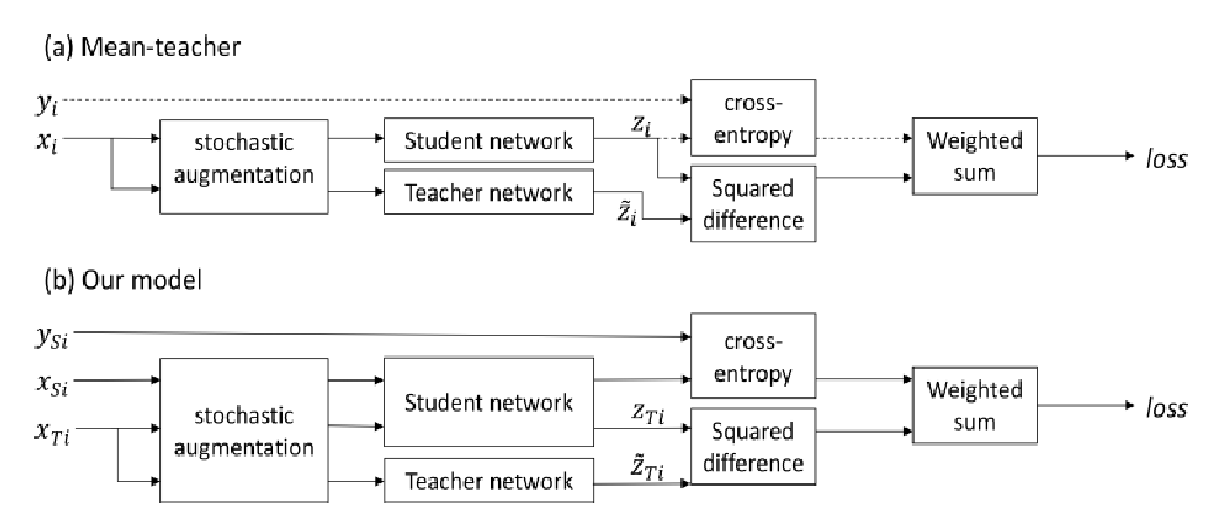
Course Project Unsupervised Domain Adaptation
- Addressed performance degradation caused by domain shifts by enabling learning on unlabeled target data through unsupervised domain adaptation.
- Implemented a Mean Teacher–based self-ensembling framework to improve robustness and cross-domain generalization.
- Performed cross-domain adaptation experiments between MNIST and SVHN using labeled source data and unlabeled target data.
- Incorporated confidence thresholding and extensive data augmentation to stabilize training and enhance learning.
- Achieved near-supervised performance, demonstrating the effectiveness of self-ensembling strategies for domain transfer.
Course Project One-Shot Object Localization for Robotic Manipulation
- Addressed the challenge of localizing novel objects from a single visual cue without prior object-specific training.
- Enabled robotic pick-and-place in unstructured environments through vision-based one-shot localization.
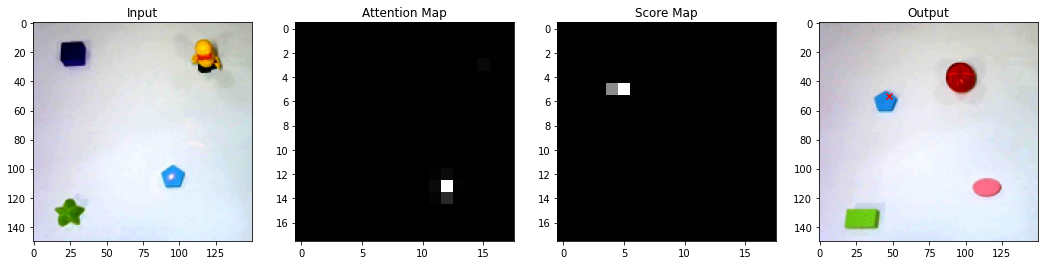
- Implemented a Siamese CNN with shared weights to learn similarity between cue and scene images.
- Designed a spatial attention mechanism to extract object-specific features from the cue image.
- Generated similarity score maps and applied SoftArgMax to accurately predict object coordinates.
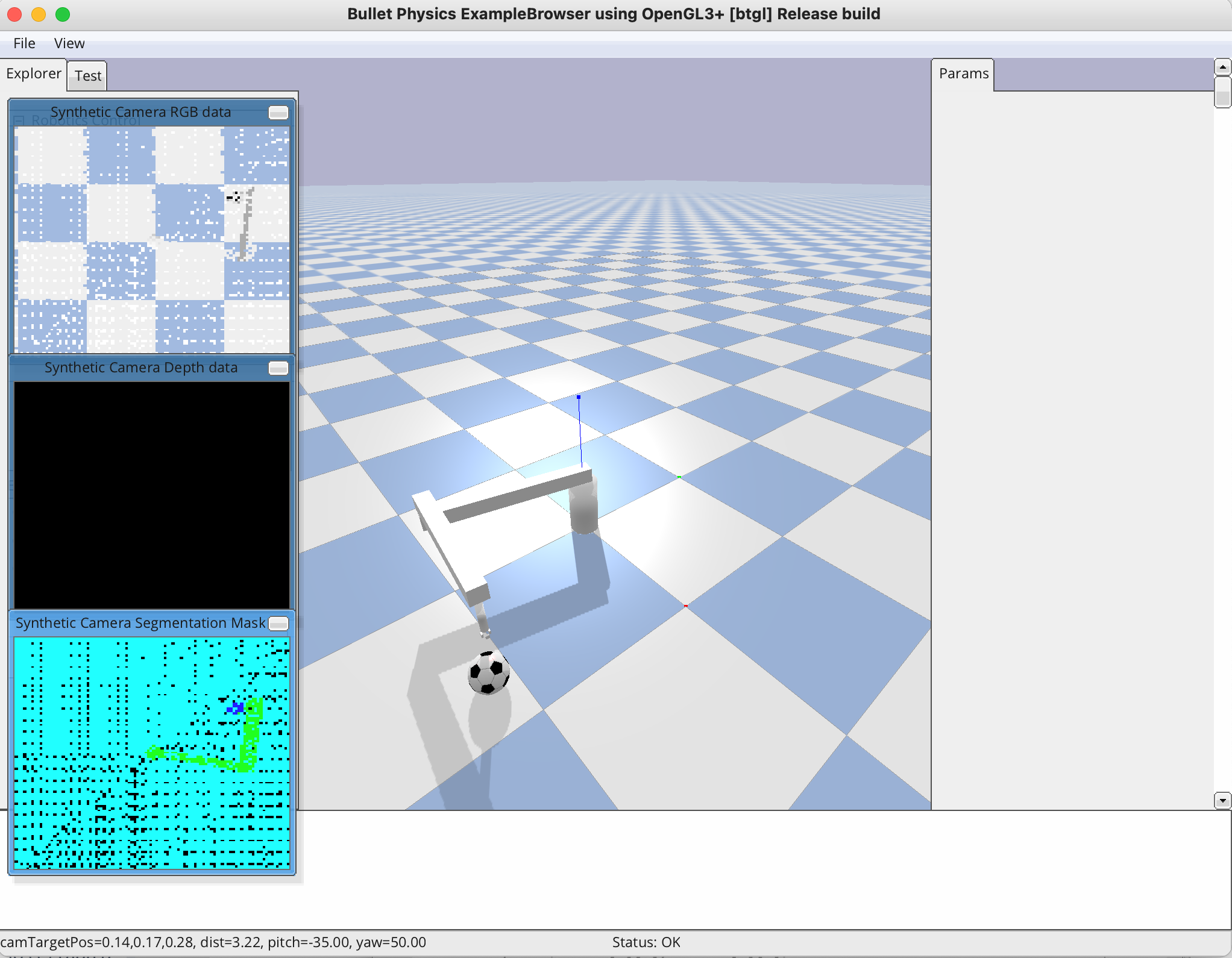
- Integrated vision-based localization with inverse kinematics control for robotic picking in both simulation and real hardware.